
Sensitive Skin Care Products That Stay Gentle
Quick Summary
Sensitive skin care products work best when they are fragrance-free, have short ingredient lists, and are introduced one at a time after a patch test. Start by noting how your skin reacts to each product, then choose gentle cleansers and moisturizers that avoid strong fragrance and harsh surfactants.
- Tingling within minutes usually points to irritation, while itching or a rash a day later can signal an allergy.
- Avoid fragrance, including "parfum," since it can hide dozens of undisclosed compounds.
- Patch test new products on the inner forearm or behind the ear once a day for three to five days.
- Introduce one product at a time so you can identify which one causes a reaction.
- Use the Unscented Foaming Scrub two to three times per week, never on irritated skin.
Table of Contents
- Sensitive Skin Care Products That Stay Gentle
- How to Tell Sensitive Skin From Reactive or Allergy-Prone Skin
- Ingredients and Irritants to Avoid in Sensitive Skin Care Products
- Dermatologist Recommended Skin Care Products for Sensitive Skin
- Best Skin Care Products for Sensitive Skin With Acne
- How to Patch Test Skin Care Products Before Full Use
- A Gentle Skincare Routine for Sensitive Skin, Step by Step
- Building Your Sensitive Skin Kit From HMGEssentials
- Frequently Asked Questions
Sensitive Skin Care Products That Stay Gentle
Last Updated: November 21, 2026
How to Tell Sensitive Skin From Reactive or Allergy-Prone Skin
Sensitive skin care products work best when you know what you are treating. Sensitive skin often stings, burns or flushes with products that others tolerate well. Reactive skin and allergy-prone skin can look similar, but they call for different choices, so HMGEssentials starts with the difference. Sensitive skin usually reacts to general irritants, while allergy-prone skin reacts to specific ingredients, and patch testing can help you tell them apart.
Start by noting what happens after you use a product. Tingling within minutes points to irritation, while itching, swelling or a rash that appears a day later can point to an allergy. If symptoms are severe, spread, or do not settle, American Academy of Dermatology guidance on skin allergies recommends seeing a dermatologist.
Keep a simple log for two weeks. Record each product, the date you started it, and any changes in your skin. Patterns show up quickly, and the log makes a useful reference for a clinician.
Ingredients and Irritants to Avoid in Sensitive Skin Care Products
Choosing sensitive skin care products starts with reading the label, and the back-of-pack ingredient list matters more than any front-of-pack claim. Reactions vary by person, so treat the categories below as common triggers to assess rather than a universal ban list.
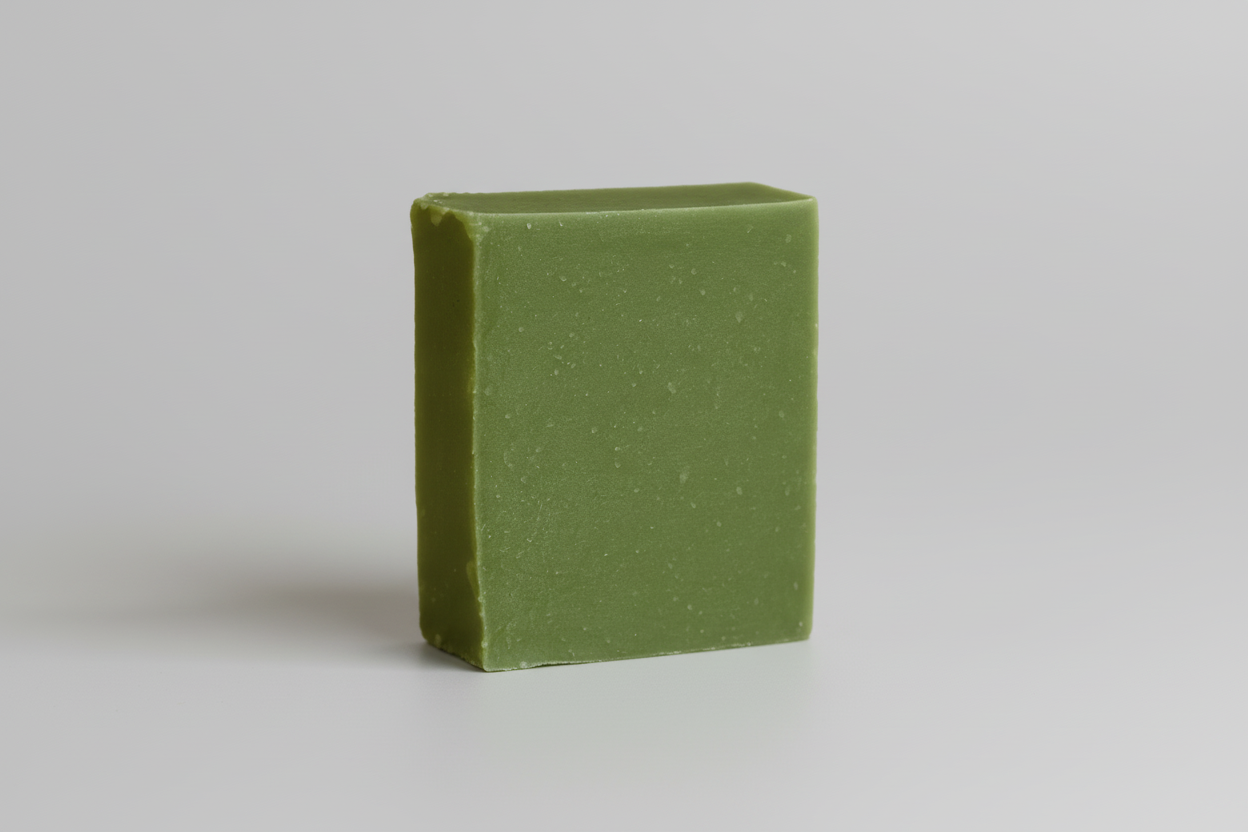
Fragrance and essential oils. Fragrance is the most frequently reported culprit in cosmetic reactions. "Fragrance" and "parfum" can each stand in for dozens of undisclosed compounds, and essential oils such as lavender, citrus, peppermint, and eucalyptus contain aromatic components that can irritate reactive skin even when a product is marketed as natural. HMGEssentials's Naked Bar Soap and Unscented Body Wash are made without added scent.
Surfactants. Cleansers rely on surfactants to lift oil and dirt, and harsh ones such as sodium lauryl sulfate can strip the skin barrier and leave it stinging. Gentler options include coco-glucoside, decyl glucoside, and sodium cocoyl isethionate. If a cleanser leaves skin tight or squeaky after rinsing, that is a sign the surfactant system is too aggressive for your skin.
Exfoliating acids and physical scrubs. Alpha-hydroxy acids (glycolic, lactic), beta-hydroxy acid (salicylic), and polyhydroxy acids all loosen dead skin cells, and the first three can sting on compromised skin. Physical scrubs add friction on top of that. Introduce any exfoliant at low frequency, once or twice a week, and never on skin that is already red or irritated.
Alcohols. Not all alcohols are equal. Denatured alcohol and SD alcohol can be drying, while fatty alcohols such as cetyl and stearyl alcohol are emollients that many sensitive-skin formulas rely on. Check where the alcohol appears in the list; near the top suggests a higher concentration.
Preservatives and other triggers. Some people react to preservatives such as methylisothiazolinone or to propylene glycol, and others to botanical extracts. A short ingredient list makes it easier to isolate the one ingredient causing trouble, which is why simple formulas are easier to test and easier to stop using.
Watch out: a product labeled "natural," "clean," or "hypoallergenic" can still contain irritating botanicals or fragrance components, so check the full ingredient list instead of relying on marketing claims.
Dermatologist Recommended Skin Care Products for Sensitive Skin
Fragrance-free cleansers and moisturizers are a common starting point for sensitive skin, and products with fewer ingredients are generally easier to test.
HMGEssentials's Aloe Honey Oatmeal soap pairs soothing aloe and oatmeal with gentle cleansing. It suits people who want a calming bar for face and body. Compare it with your current cleanser by checking ingredients and how your skin feels afterward.
| Product | Price | Best For | Key Sensitive-Skin Feature |
|---|---|---|---|
| Naked Bar Soap | $8.00 | Daily face and body cleansing | Unscented, oatmeal exfoliation |
| Aloe Honey Oatmeal Soap | $8.00 | Calming, soothing cleanse | Aloe and oatmeal |
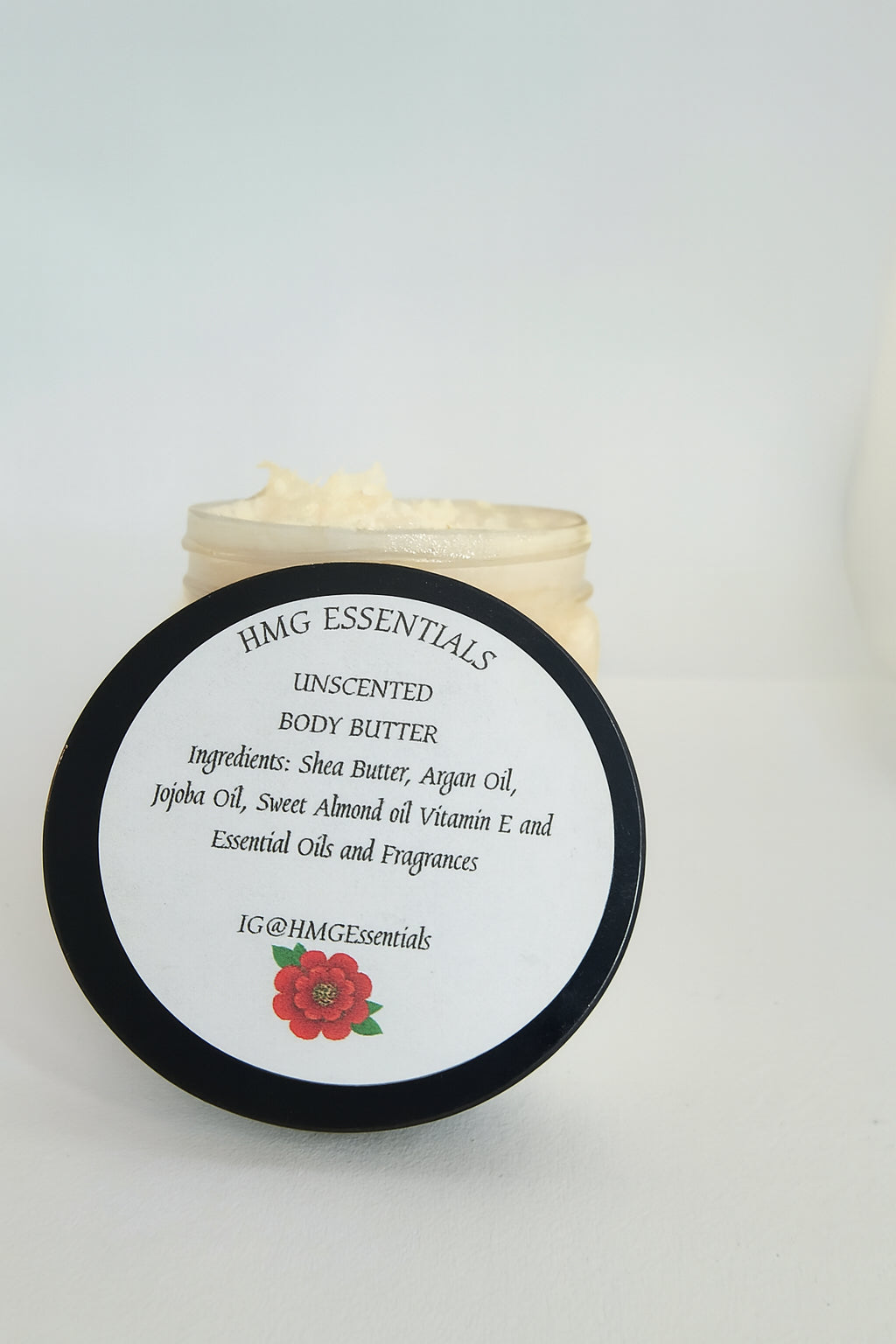
| Unscented Body Butter | $10.00 | Dry, compromised skin | Fragrance-free hydration |
| Emulsified Shea Body Cream | $10.00 | Intensive moisture | Suitable for all skin types |
Price
Best Skin Care Products for Sensitive Skin With Acne
Acne and sensitivity often overlap, and the challenge is treating breakouts without stripping the barrier that keeps skin calm. A gentle approach is to target one acne mechanism at a time and to introduce each active slowly.
Match the ingredient to the mechanism. Salicylic acid is oil-soluble and works inside the pore to loosen debris, which suits blackheads and clogged pores. Benzoyl peroxide and adapalene are common over-the-counter acne ingredients, and both can be drying or irritating, especially on sensitive skin. Each of these can irritate sensitive skin, so pick one rather than layering all three.
Keep the supporting steps boring. A fragrance-free, non-comedogenic cleanser and a non-comedogenic moisturizer do most of the barrier work. HMGEssentials's Unscented Body Butter lists grape seed oil among its ingredients, and its listing describes that oil as non-comedogenic. Pair any moisturizer with a gentle, unscented cleanser rather than a foaming, stripping one.
Introduce actives on a schedule. Start a new active two or three nights a week and build up only if skin stays calm. Apply moisturizer after the active, and skip the active on nights when skin is red or stinging. If a product causes burning that lasts more than a few minutes, stop it rather than pushing through.
Avoid the common traps. Heavy occlusive balms, alcohol-heavy toners, and physical scrubs can worsen both acne and irritation. So can stacking multiple exfoliating acids in one routine. Non-comedogenic labeling is a useful filter, but it is not a guarantee for every person, so patch test first.
If acne is severe, cystic, or persistent despite consistent gentle care, American Academy of Dermatology acne treatment overview explains when to seek professional care. A dermatologist can distinguish ordinary acne from conditions such as rosacea that can look similar but need different treatment.
How to Patch Test Skin Care Products Before Full Use
Patch testing is the safest way to introduce any new product. Apply a small amount to the inner forearm or behind the ear once a day for three to five days. Wait a full day before using it on a larger area.
Introduce one product at a time. If you add several at once, you cannot tell which one caused a reaction. Stop immediately if you notice redness, burning or itching.
A Gentle Skincare Routine for Sensitive Skin, Step by Step
A simple routine keeps sensitive skin calm. Start with a gentle cleanse, then moisturize while skin is still slightly damp.
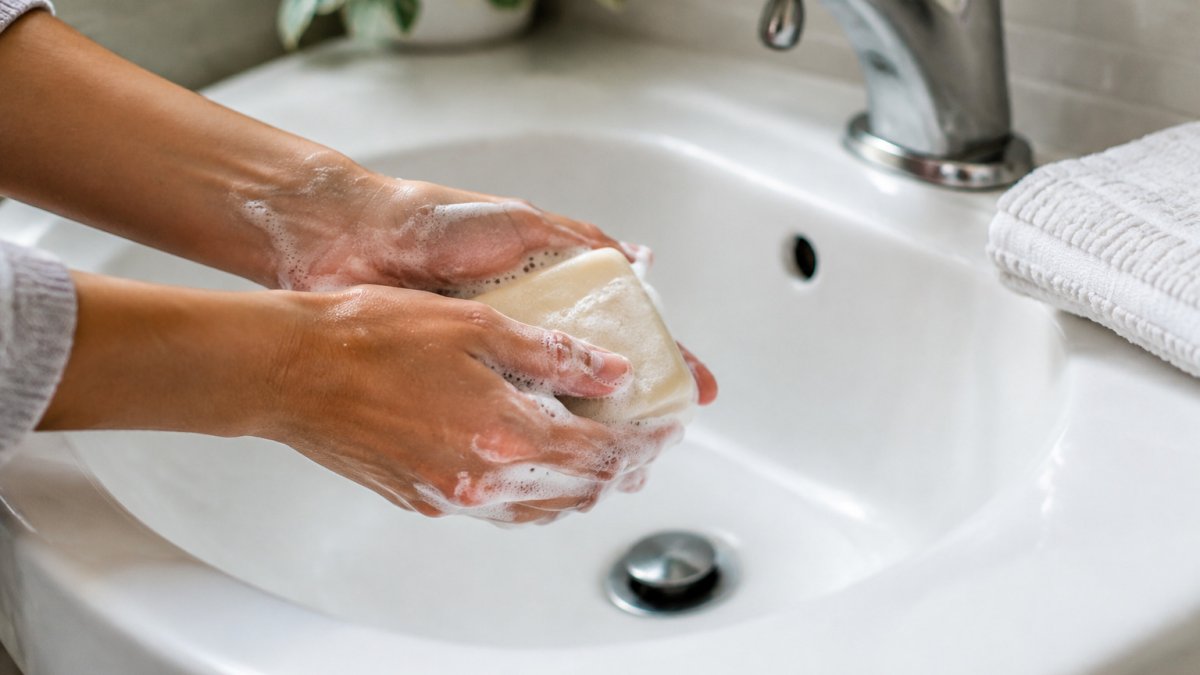
- Cleanse: Lather the HMGEssentials Unscented Body Wash or Naked Bar Soap with your hands, massage gently, and rinse with lukewarm water.
- Moisturize: Apply the Unscented Body Butter to clean, dry skin in circular motions until absorbed.
- Exfoliate occasionally: Use the Unscented Foaming Scrub two to three times per week, never on irritated skin.
Keep the routine short. Fewer steps mean fewer possible triggers.
Building Your Sensitive Skin Kit From HMGEssentials
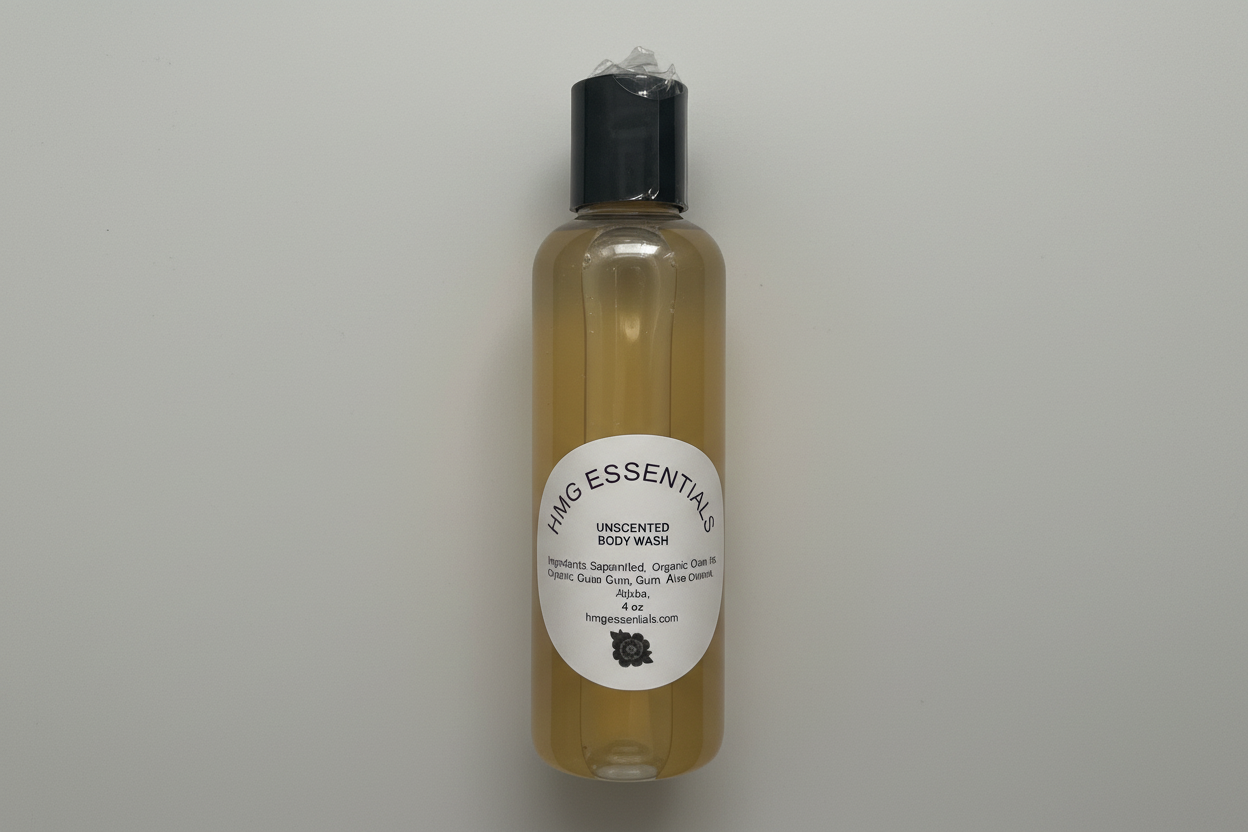
A starter kit covers cleansing, moisture and occasional exfoliation. The Unscented Body Wash ($10.00), Unscented Body Butter ($10.00) and Unscented Foaming Scrub ($18.00) are unscented options for a cleansing, moisturizing and exfoliating routine. Add the Naked Bar Soap ($8.00) if you prefer a bar cleanser.
Start with one or two items, patch test them, and add more once your skin settles. That approach protects reactive skin while you find what works.
Frequently Asked Questions
What is the best skincare for very sensitive skin?
For very sensitive skin, start with a short list: a fragrance-free cleanser, a simple moisturizer and sunscreen. Unscented options such as the UNSCENTED BODY WASH ($10.00) and UNSCENTED BODY BUTTER ($10.00) from HMGEssentials are fragrance-free body products. Introduce one item at a time, wait about a week, and stop anything that stings, burns or itches. Fewer products make it far easier to see what your skin tolerates.
What do dermatologists recommend for sensitive skin?
Dermatologists generally recommend fragrance-free products, a minimal number of steps, and patch testing before full use. They also advise avoiding harsh scrubs and strong exfoliants on irritated areas. Ingredients such as shea butter, oatmeal and glycerin are commonly used in gentle formulas. A dermatologist can evaluate persistent redness, rashes or suspected allergies, so see one if a product keeps causing a reaction.
How can I tell if a skincare product is irritating my skin?
Signs of irritation include stinging on application, burning, tightness, new redness, bumps or itching that appears within minutes to a few days. Stop using the product, rinse the area with lukewarm water and avoid fragranced products until the skin calms. If symptoms persist for more than a few days or spread, contact a healthcare professional. Keeping a simple log of what you used each day makes the culprit easier to identify.
Which ingredients should people with sensitive skin avoid?
Common irritants for sensitive skin include synthetic fragrance, strong essential oils, high-alcohol toners and harsh sulfate cleansers. Coarse physical scrubs can also aggravate reactive skin. Read ingredient lists carefully and look for labels that say fragrance-free or unscented. Products such as the NAKED FOAMING SCRUB ($9.00) use a gentle sulfate-free cleanser, which is one feature to compare when shopping.
